
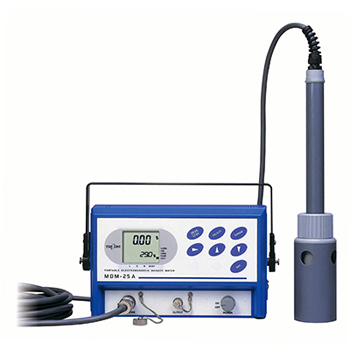
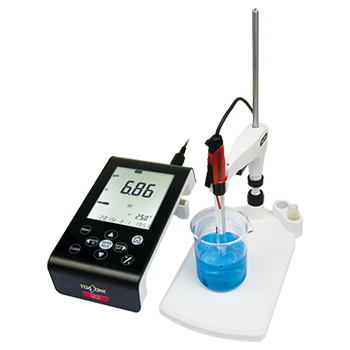
Portable electromagnetic densitometer MDM-25A
Introduction
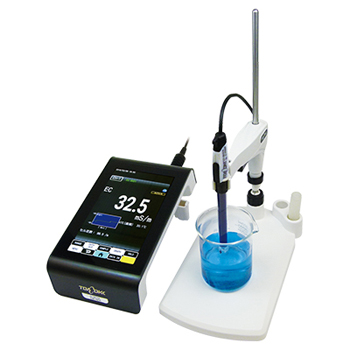
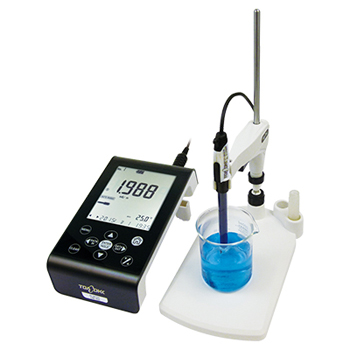
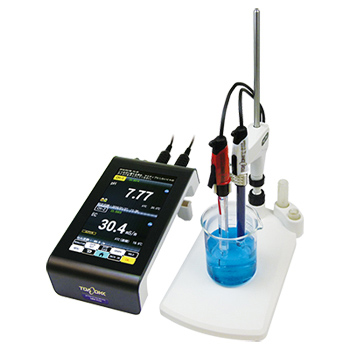
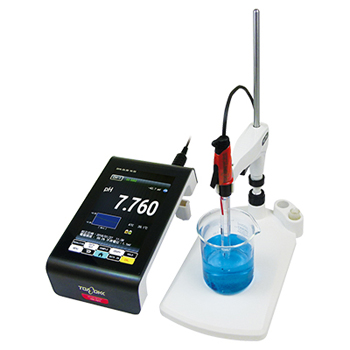
The Portable electromagnetic densitometer MDM-25A is a specialized analytical device manufactured by DKK-TOA CORPORATION. Designed to measure the density and concentration of strong chemicals such as acids and alkalis, the MDM-25A utilizes advanced electromagnetic induction technology, allowing for accurate measurements in high concentration ranges that conventional conductivity measurement methods struggle to meet. This device is an ideal tool for industrial applications demanding strict control over chemical density and concentrations.
Product Overview
The MDM-25A stands out with its electromagnetic induction method, a technology that involves no direct contact between metal electrodes and the measured solution. This eliminates issues of electrode corrosion, especially when measuring strong acid or alkali solutions, and allows for stable measurement in very high concentration ranges (electrical conductivity up to 200 S/m). The device offers flexibility by allowing users to switch the display between Concentration and Electrical conductivity values. Furthermore, the MDM-25A is equipped with an analog output, supporting the simple setup of continuous measurement and monitoring systems. Another major advantage of the device is its extremely low maintenance requirement; users do not need to perform daily calibrations, saving time and operating costs.
Key Features
- Chemical Density and Concentration Measurement: Capable of directly measuring the density/concentration of common industrial chemicals such as acids and alkalis.
- Electromagnetic Induction Method: Enables accurate and stable measurement in high concentration ranges, overcoming the limitations of traditional contact conductivity measurement methods.
- Flexible Display Switching: Users can easily switch between viewing results as Concentration or Electrical conductivity depending on their needs.
- Continuous Measurement Support: Equipped with an analog output, allowing connection to data loggers or control systems for continuous monitoring.
- Easy Maintenance: The non-contact sensor design minimizes wear and tear; notably, the machine requires no daily calibration, providing maximum convenience.
Technical Specifications
| Parameter | Details |
|---|---|
| Model | MDM-25A |
| Measurement Items | Concentration, Electrical conductivity |
| Measurement Method | Electromagnetic induction method |
| Measurement Range (Conductivity) | 0 – 200 S/m |
| Output | Analog output (Supports simple continuous measurement) |
| Calibration | No daily calibration required |
Applications
- Chemical Industry: Testing and monitoring the density and concentration of acid solutions (like HCl, H2SO4) and alkali solutions (like NaOH) during production and formulation processes.
- Surface Treatment / Plating: Measuring the density of chemical cleaning baths and plating baths to ensure product surface quality.
- Sewerage / Wastewater Treatment: Controlling the amount of chemicals dosed into wastewater treatment systems to optimize neutralization or coagulation processes.
- Food & Beverage Industry: Monitoring the concentration of CIP (Cleaning in Place) solutions such as caustic soda or nitric acid used to clean pipes and equipment.
Pricing
Please contact us for consultation and detailed quotation.
Frequently Asked Questions (FAQ)
1. How is the electromagnetic induction method different from conventional conductivity measurement?
Conventional conductivity measurement uses metal electrodes in direct contact with the solution, which are prone to corrosion or fouling when measuring strong chemicals. The electromagnetic induction method uses encapsulated coils (no direct contact with the liquid) to induce and measure an electrical current within the solution. This makes the sensor much more durable, absolutely corrosion-resistant, and capable of measuring at much higher densities/concentrations.
2. Why does the machine not require daily calibration?
Thanks to the non-contact sensor design, the sensor’s surface characteristics are not altered by chemical corrosion or fouling. Therefore, the sensor’s stability is maintained over a long period, eliminating the need for daily calibration, which saves time and standard solutions.
3. Can the MDM-25A directly display the % concentration of an acid?
Yes, the machine is capable of converting and directly displaying the concentration value (e.g., %) based on the pre-programmed correlation between electrical conductivity and the density/concentration of the specific chemical being measured.
4. What is the analog output used for?
The analog output provides an electrical signal (typically 4-20mA or 0-1V) proportional to the measured value. You can connect this signal to a PLC, datalogger, or SCADA system to monitor and control chemical concentrations automatically and continuously.
5. What does the 0-200 S/m measurement range mean?
S/m (Siemens per meter) is a unit of electrical conductivity. 200 S/m (equivalent to 2,000,000 µS/cm) is an extremely high measurement range, allowing the machine to measure very highly dense chemical solutions that standard conductivity meters cannot measure.
Conclusion
The MDM-25A portable electromagnetic densitometer from DKK-TOA is a powerful and durable measurement solution for industrial applications involving strong chemicals. With its non-contact electromagnetic induction technology, high concentration range measurement capability, analog output supporting continuous monitoring, and especially the elimination of daily calibration, the MDM-25A delivers maximum reliability, convenience, and cost savings for users. Contact us today to receive in-depth consultation and the best quote for this product.



Reviews
There are no reviews yet.