
Introduction
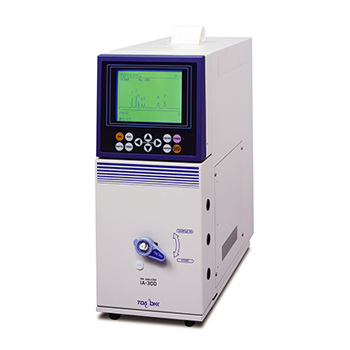
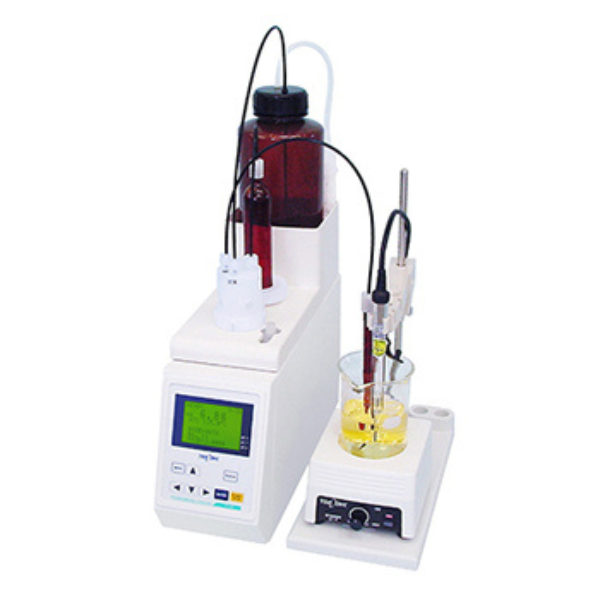
The ATP analyzer AF-100 is an advanced hygiene monitoring device manufactured by DKK-TOA CORPORATION. Utilizing ATP (Adenosine Triphosphate) measurement technology, the AF-100 provides a rapid and reliable method to assess the level of biological contamination on surfaces and in liquids. This device is an essential tool for ensuring hygiene and safety in sensitive industries such as food and beverage production, and healthcare.
Product Overview
The AF-100 stands out with its ultra-fast analysis speed, capable of measuring the number of viable bacteria and cells in just 50 seconds. This offers a massive advantage over traditional microbiological culturing methods, which take days to yield results. The device supports direct measurement on membrane filters, which, when combined with the filtration method, allows for the detection of bacteria at low concentrations from 1 to 1000 cells/mL. Additionally, the AF-100 supports wipe inspection methods, enabling immediate response for satellite hygiene management of work surfaces. The machine is packed with convenient functions such as automatic conversion of ATP amount to cell number, and can be upgraded with a dispenser (optional DF-10) to automatically inject 3 types of reagents, optimizing the workflow.
Key Features
- Ultra-fast Measurement: Provides results on the number of viable bacteria and cells in just 50 seconds, facilitating quick decision-making.
- High Sensitivity: When used with the filtration method, the machine can accurately measure samples with low bacterial concentrations (1 – 1000 cells/mL).
- Direct Membrane Filter Measurement: Supports direct measurement on membrane filters, simplifying the sample preparation process for liquid samples.
- Rapid Surface Inspection: Supports wipe inspection methods, ideal for on-site (satellite) hygiene monitoring.
- Smart Conversion Function: Automatically converts the measured ATP amount into the corresponding cell number, making it easy for users to evaluate the results.
- Automation (Optional): Can be connected to the DF-10 dispenser (sold separately) to automatically inject 3 types of reagents, minimizing errors from manual handling.
Technical Specifications
| Parameter | Details |
|---|---|
| Model | AF-100 |
| Measurement Principle | ATP (Adenosine Triphosphate) Analysis |
| Measurement Time | Approximately 50 seconds |
| Detection Capability (Filtration Method) | 1 to 1000 cells / mL |
| Sampling Methods | Direct membrane filter measurement, Wipe inspection |
| Additional Features | ATP amount and cell number conversion |
| Upgrade Options | Automatic reagent dispenser DF-10 (Injects 3 types of reagents) |
Applications
- Food & Beverage Industry: Rapidly checking the cleanliness of production lines, processing equipment, workbenches, and workers’ hands to prevent cross-contamination.
- Water Quality Monitoring: Quickly assessing the level of microbiological contamination in rinse water, cooling water, or feed water in manufacturing plants.
- Healthcare and Medical: Checking the hygiene level of high-touch surfaces in hospitals and clinics for infection control.
- Food Service (Restaurants, Hotels): Ensuring food safety and hygiene in kitchen areas and on cooking utensils.
Pricing
Please contact us for consultation and detailed quotation.
Frequently Asked Questions (FAQ)
1. What is ATP measurement and why is it important?
ATP (Adenosine Triphosphate) is an energy-carrying molecule present in all living cells (including bacteria, yeast, and food/animal cells). By measuring the amount of ATP, the AF-100 can quickly assess the total amount of organic matter (including living microorganisms) present on a surface or in a water sample, thereby reflecting the level of cleanliness and hygiene.
2. What is the difference between ATP measurement and traditional microbiological culturing?
Traditional microbiological culturing usually takes 24 to 48 hours or longer for bacteria to grow and become countable. In contrast, ATP measurement with the AF-100 provides results in just 50 seconds, allowing you to take immediate corrective action if a surface is found to be unclean.
3. When is the filtration method used?
The filtration method is used when you need to test liquid samples with low bacterial concentrations (like clean water or rinse water). The water sample is filtered through a membrane to retain the bacteria, and this membrane is then placed into the AF-100 for direct measurement, increasing the sensitivity of the test to 1-1000 cells/mL.
4. How is a “wipe inspection” performed?
You use a specialized swab to wipe across a specific surface area (e.g., a cutting board, knife, or conveyor belt). The swab is then placed into a tube containing reagents and inserted into the AF-100 to measure the amount of ATP collected from that surface.
5. What is the function of the DF-10 dispenser?
The DF-10 dispenser is an optional accessory that automates the process of injecting the necessary reagents (typically 3 types) into the sample before measurement. This saves time, ensures the reagent volume is always accurate, and minimizes the risk of errors caused by manual handling.
Conclusion
The ATP analyzer AF-100 from DKK-TOA is a breakthrough hygiene control solution, offering superior speed, sensitivity, and convenience. With the ability to provide results in just 50 seconds, support for various sampling methods, and smart automation features, the AF-100 is an indispensable tool for protecting product quality and brand reputation in the food industry and other sectors requiring stringent hygiene standards. Contact us today to receive in-depth consultation and the best quote for this product.






Reviews
There are no reviews yet.